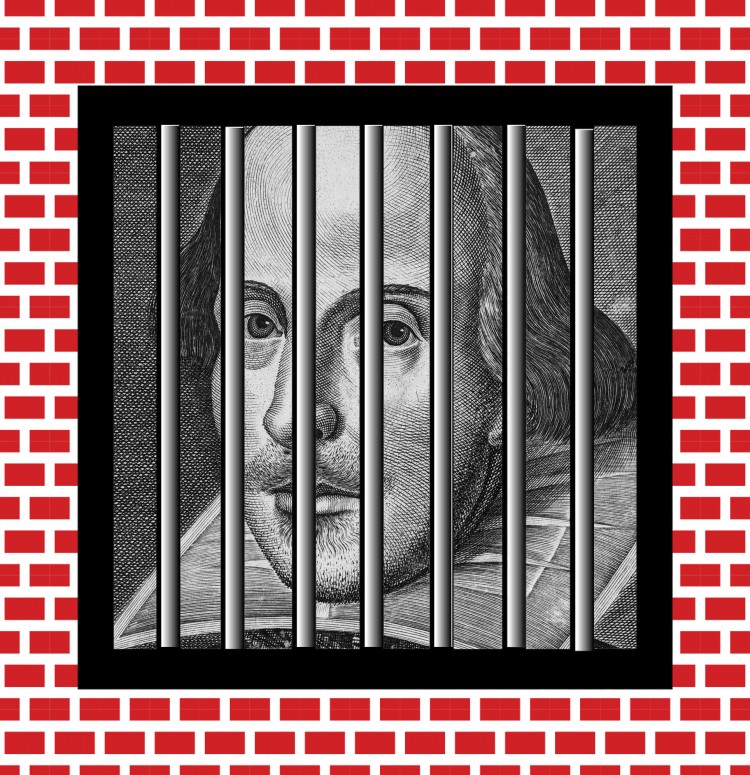
If you’ve ever seen a performance of a play by William Shakespeare, you know what a complexity of human themes and emotions it explores and why audiences find the Bard’s work as compelling now as they first did over 400 years ago.
So universal is the appeal of Shakespeare’s work that it inspired the creation of a prisoner rehabilitation program in the mid ‘90s. The goal of the program is to leverage the lessons learned through the exploration of Shakespearean theatre to help incarcerated and post-incarcerated adults and youths develop life skills that will ensure their successful reintegration into society.
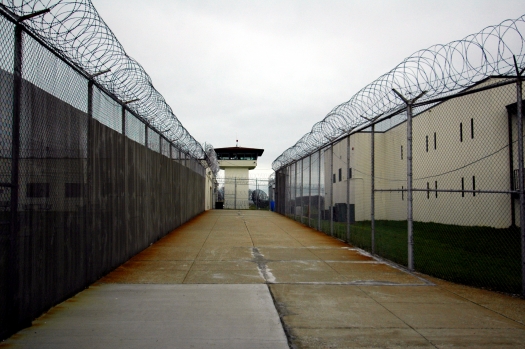
Shakespeare Behind Bars: Changing Lives, One Scene at a Time
Called Shakespeare Behind Bars, the program began at the Luther Luckett Correctional Complex in Kentucky. Now in its 20th year, Shakespeare Behind Bars (SBB) has since grown to include 15 programs in Kentucky and Michigan. What’s more, it boasts a recidivism rate of less than one tenth of the national average for its participants.
According to the SBB website, the core values behind the program allow each participant the opportunity to:
- Develop a lifelong passion for learning, especially those participants who are at high risk of not completing or continuing their education;
- Develop literacy skills (reading, writing, and oral communication), including those participants who are classified as learning disabled and/or developmentally challenged;
- Develop decision making, problem solving, and creative thinking skills;
- Develop empathy, compassion, and trust;
- Nurture a desire to help others;
- Increase self-esteem and develop a positive self-image;
- Take responsibility for the crime/s committed;
- Become a responsible member of a group, community, and family;
- Learn tolerance and peaceful resolution of conflict;
- Relate the universal human themes contained in Shakespeare’s works to themselves including their past experiences and choices, their present situation, and their future possibility;
- Relate the universal themes of Shakespeare to the lives of other human beings and to society at-large;
- Return to society as a contributing member.
Recidivism Rates:
National average = 60%
Kentucky = 29.5%
Shakespeare Behind Bars = 5.8%
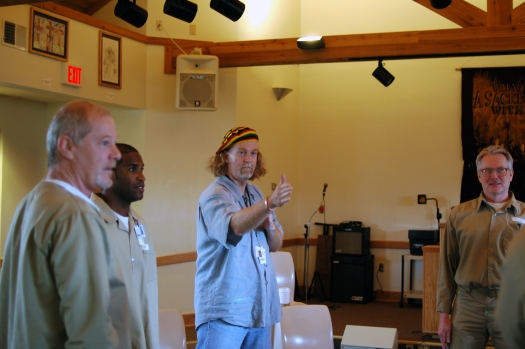
Documentary Reveals Program Successes
In 2005, SBB became the subject of an award-winning documentary that made its world premiere at the Sundance Film Festival. Written and directed by Hank Rogerson and produced by Jilann Spitzmiller through Philomath Films, the story follows the nine-month process of bringing William Shakespeare’s play, The Tempest, to performance by a group of inmates under the direction of SBB Founder Curt L. Tofteland at the Luther Luckett Correctional Complex.
Philomath Films asserts, “The prisoners cast themselves in roles reflecting their personal history and fate. Their individual stories, including information about their heinous crimes, are interwoven with the plot of The Tempest as the inmates delve deeply into the characters they portray while confronting their personal demons.”
As part of Chapman University’s Shakespeare Reimagined program this semester, a special screening of Shakespeare Behind Bars will take place March 17 at 7:00 p.m. in Waltmar Theatre. As a bonus, the Department of Theatre has invited Mr. Tofteland, who will speak before the start of the film and answer audience questions after the screening. Admission is free.