Ask a pharmacist to describe their role in modern healthcare, and they might talk about collaborating with care teams on effective treatment regimens or the time they spend counseling patients on drug safety. They could discuss their work administering vaccines, supporting public health campaigns and monitoring for adverse reactions, all while maintaining their traditional responsibility of dispensing medication.
Ask patients, though, and the response may be simpler: They see a trusted healthcare provider.
A recent survey by the Columbia University Mailman School of Public Health found that nearly 80% of patients considered pharmacists key members of their care teams. That makes sense: As healthcare moves from a fee-for-service model to a patient-centered, value-based one, pharmacists are more frequently viewed as medication therapy experts who bridge the gap between diagnosis and recovery.
That’s a complex role and, increasingly, one reserved for pharmacists who have completed the advanced training delivered by a Doctor of Pharmacy (Pharm.D.) program. If you’re considering a healthcare career, pharmacy offers a unique blend of hands-on patient care, clinical expertise and patient safety.
Many Minds, Better Care
A generation ago, if you were hospitalized, a physician would have diagnosed your illness and prescribed medications. A pharmacist would have dispensed treatment. The patient’s role in the process was to do whatever they were told.
That’s changed. Today, care is collaborative. Patients’ physical and emotional needs are at the center of the decisions that are made.
As a pharmacist, you’ll play a central role on that care team. You may make rounds with physicians and nurses, helping develop care plans for each patient. Where pharmacists once worked largely behind the scenes, today, you’ll often interact with patients and their families, offering advice, instruction and education. In fact, many patients are as likely to rely on their pharmacist for guidance as their doctor, putting you on the front lines of community health.
This shift comes at the same time the healthcare industry pursues a value-based model, where providers are paid based on successful outcomes rather than for services rendered. That shift puts more responsibility on pharmacists. As lead players in medication therapy management (MTM) programs, they’re responsible for helping patients manage complex treatment regimens while also minimizing adverse reactions and adjusting plans based on results.
Rising Demand in Public Health: Pharmacists on the Front Lines
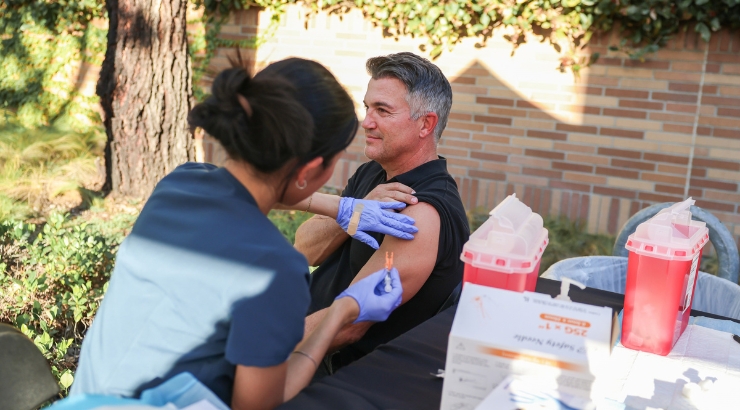
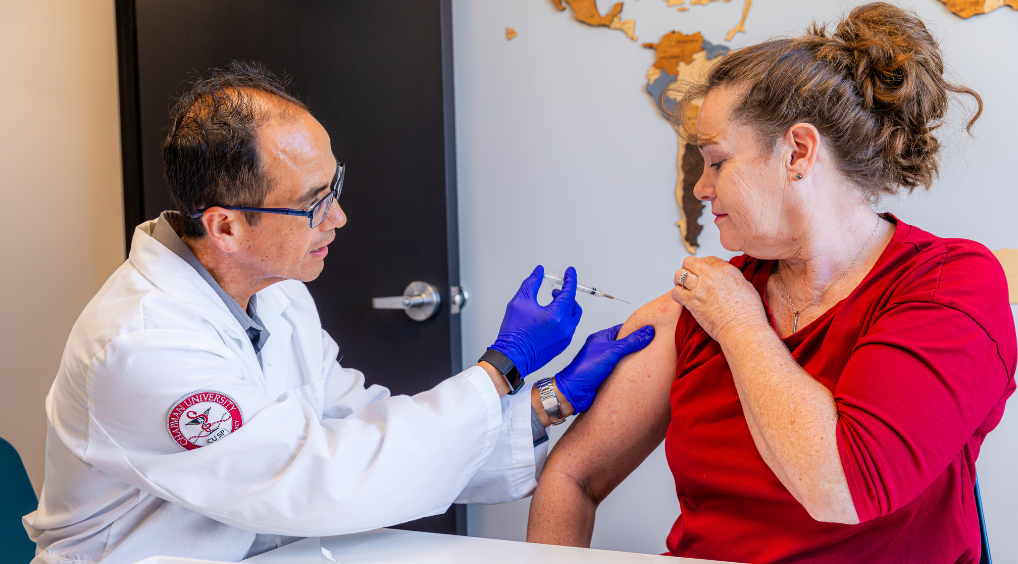
Pharmacists are helping to fill the gap of the shortage of healthcare professionals, taking on public health responsibilities once handled primarily by physicians. Today, pharmacists administer vaccines. They dispense naloxone, support harm-reduction initiatives, provide chronic disease screenings and help patients manage conditions like hypertension and diabetes.
And because over 90% of Americans live within 5 miles of a pharmacy, pharmacists have become one of the system’s most accessible points of care. The COVID-19 pandemic cemented the role of pharmacists as frontline providers: By early 2022, local pharmacies had conducted over 42 million COVID tests and given over half of all COVID vaccines in the U.S.
A Career With Strong Demand and Competitive Rewards
As pharmacists take on greater responsibility, more are needed to meet demand. According to the U.S. Bureau of Labor Statistics, the number of pharmacists is expected to increase 5% through 2034, with about 14,000 job openings a year, and the median annual wage for pharmacists is $137,480.
Much of that growth is expected to come from hospitals, clinics and other settings where pharmacists are being integrated into care teams. While employment at retail pharmacies has decreased in recent years, the field itself is expanding, ensuring the investment you make in your education will be more than repaid.
Diverse Practice Settings
A Pharm.D. can lead to careers in almost every facet of the healthcare system, from traditional roles in retail pharmacies to pharmaceutical development to regulatory policy. Pharmacists practice in:
- Retail and community pharmacies
- Hospital and health system pharmacies
- Ambulatory care clinics
- Long-term care and specialty pharmacies
- Federal government (U.S. Public Health Service, Department of Veterans Affairs, Food and Drug Administration, Centers for Disease Control, military and others)
- Pharmaceutical development and clinical testing
- Academia
You’ll tailor your Pharm.D. education to the career you want to pursue. The first path you take isn’t necessarily your last, though. The degree is flexible enough to permit you to change roles mid-career.
Champions of the Patient: Advocacy and Direct Care
People become pharmacists to help people live better lives. And as the pharmacist’s role in patient care evolves, your work as a patient advocate only becomes greater. In addition to catching prescription errors, noting potentially dangerous interactions and counseling on side effects, some states are even empowering pharmacists to write prescriptions.
Healthcare is an intensely personal profession, and pharmacists have deeply personal interactions with the patients they serve. One report from Wolters Kluwer, a healthcare consulting firm, estimates that patients visit their pharmacy 12 times more often than their family doctor. That contact builds trust. Over time, your advocacy will encourage patients to make better choices and provide counsel to individuals who are otherwise shut out of the healthcare system.
Deliver Care That Changes Lives
Pharmacists have long worked at the intersection of science and patient care. Changes in our healthcare system make that vital role even more complex. The Pharm.D. program at Chapman University’s School of Pharmacy (CUSP) prepares you for a wide range of jobs in this evolving profession. You can complete this rigorous program—one of the nation’s best—in just 33 months, gaining extensive hands-on practice in rotations as you go.
As a pharmacist, every possible path you choose is built around improving outcomes and delivering a better patient experience. It’s why Chapman maintains an unwavering focus on patient safety and advocacy, beginning on your first day and continuing through the program.
Healthcare is changing. Patients need pharmacists they can count on. Learn more about CUSP today.