Pharmacy Educator Training Program for Residents and Preceptors offered at Chapman University
February 11, 2026
Comprehensive pharmacy training involves educating students about the wide spectrum of career paths they can pursue upon graduation. For those drawn to academia, pharmacists teach, conduct research, and shape the minds of future healthcare practitioners. Chapman University School of Pharmacy (CUSP) offers a specialized Teaching Skills Certificate Program that transforms interest into expertise for Doctor of Pharmacy (Pharm.D.) graduates.
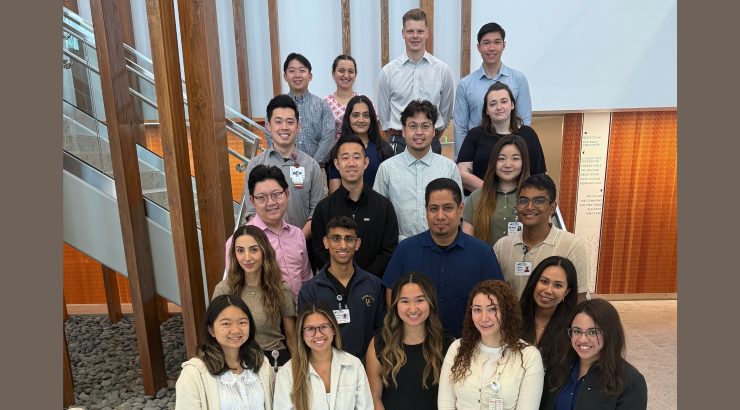
Since 2019, the Teaching Skills Certificate Program has trained more than 100 participants, offering hands-on classroom teaching experiences that equip recent Pharm.D. graduates for careers as educators and preceptors. Although most participants are Post Graduate Year 1 (PGY-1) residents at CUSP’s partner institutions, this program is also open to fellows and preceptors who precept CUSP students. Currently, 21 participants are enrolled in the program from partner institutions, including City of Hope, Kindred, Hoag, CHOC, and Cedars-Sinai, and include former CUSP alumni. Participants assist by providing lectures, facilitating workshops and Interprofessional Education (IPE) events, grading Team-Observed-Structured Clinical Encounters (TOSCEs), providing in-services at their sites, and precepting students. Throughout the year-long program, participants also attend professional education webinars and write a teaching philosophy.
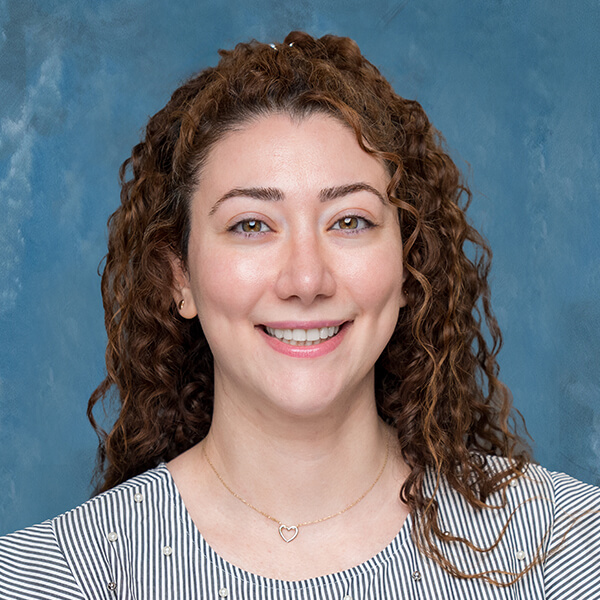 Arlet Artoonian is a PGY-1 resident at Adventist Health White Memorial who is currently enrolled in the program. Artoonian says that this program has provided her with unique experiences. “I have always known that I enjoy teaching, but I had never experienced delivering a formal lecture prior to this program,” she says. “This has allowed me to see how different schools of pharmacy approach education in different ways, broadening my perspective as an educator.”
Delivering engaging lectures is a key responsibility of any educator. In general, CUSP lectures are designed to provide information that complements Introductory Pharmacy Practice Experiences (IPPEs), Advanced Pharmacy Practice Experiences (APPEs) and board exams, including the NAPLEX, to ensure student success both during and after their pharmacy school education. Artoonian says, “My first formal classroom lecture was on diabetic ketoacidosis (DKA) and hyperosmolar hyperglycemic state (HHS). I designed slides that incorporated questions and mini clinical cases to reinforce key concepts and maintain engagement. I also tailored the content to be directly applicable to students’ upcoming APPE rotations and shared helpful tips on NAPLEX and CPJE preparation.” Having recently graduated with a Doctor of Pharmacy degree, Artoonian’s recent memory of her experiences as a student enables her to uniquely connect with current students.
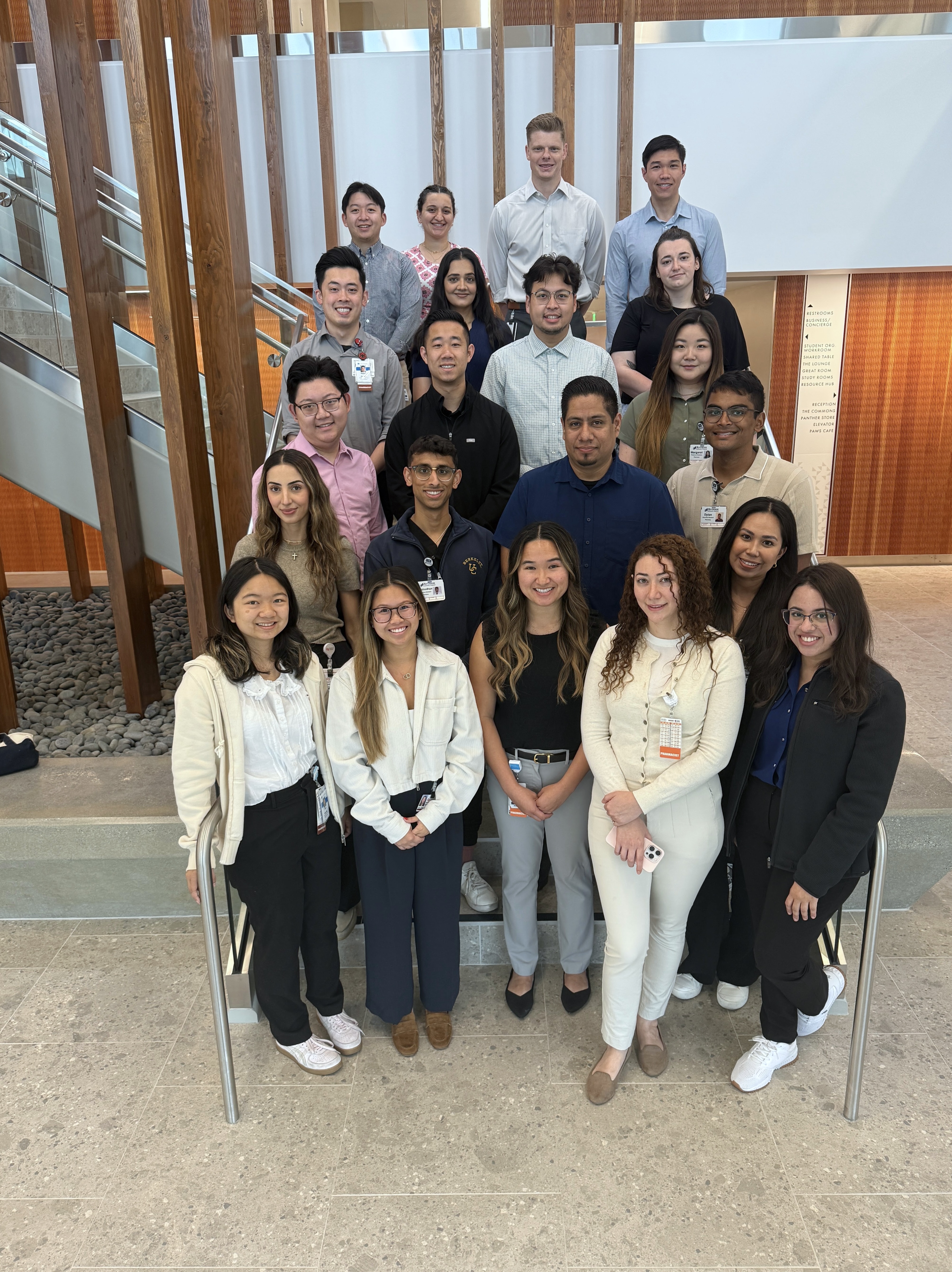 Participating in this program also involves mentoring Pharm.D. students who are currently on their IPPE or APPE rotations. These experiential rotations often represent a Pharm.D. student’s first opportunity to engage in active patient care within a medical facility. “One of the program’s most meaningful impacts on me has been an increase in my confidence, particularly with teaching and public speaking,” Artoonian said, reflecting on her time thus far in the program. Much like students in a traditional learning setting, participants in the Teaching Skills Certificate Program receive feedback on their work. “After receiving faculty feedback from Dr. Laura Tsu and excellent evaluations from students, this experience helped build my confidence and showed me the value of creating an interactive and engaging learning experience.”
Jelena Lewis, Pharm.D., is the Director of Residency and Fellowship Programs at CUSP who oversees the program. Lewis hopes “to continue to grow the teaching certificate program and would like to thank our current partner institutions for their collaboration”. For more information about the Teaching Skills Certificate Program at CUSP, you can reach out to Jelena Lewis directly at jelewis@chapman.edu.