
Associate Professor of English, has been selected as a Society for the Humanities Residential Fellow at Cornell University for the 2026-27 academic year. The fellowship brings together scholars and practitioners whose projects engage with the Society’s annual theme, Survival.
As a fellow, Magosaki will advance her book project, Poetics of Japanese American Incarceration Literature, which explores the memory work of descendants of Japanese Americans who experienced wartime incarceration during World War II. Drawing from literary studies, ethnic studies, and Indigenous studies, the project examines how multiple generations of writers have engaged with histories of displacement, resilience, and remembrance.
At the center of the project is the concept of survivance, a term Magosaki describes as encompassing not only survival, but also the active preservation, transformation, and renewal of memory in the face of catastrophe and precarity. Her research brings postwar writings by descendants of incarcerated Japanese Americans into conversation with works produced by those who experienced incarceration firsthand, illuminating how literature sustains histories that might otherwise be forgotten.
“My book project centers survival/survivance as both subject and method, focusing on the memory work by descendants of Japanese American wartime incarceration during World War II,” Magosaki says. “The very existence and creative output of descendant writers is an act of survivance, of memory, identity, and resistance.”
The project also investigates the connections between Japanese American incarceration sites and histories of Indigenous survivance in the American West. By examining how writers across generations have reflected on these overlapping histories, Magosaki argues that literature can create spaces for ethical remembrance, alliance building, and collective survival.
During her fellowship year, Magosaki plans to complete additional chapters of the manuscript, pursue a book contract, and engage with an interdisciplinary community of scholars at Cornell. She will also teach a seminar, “Japanese American Wartime Incarceration Literature in the Twenty-First Century,” which explores how contemporary writers and artists examine survival, memory, resilience, and renewal through poetry, fiction, graphic novels, and creative nonfiction.
In reflecting on the opportunity, Magosaki emphasized the importance of intellectual exchange across fields and institutions. “The notion of writing while expanding my experience of sustainable and transformational intellectual exchange across disciplinary, institutional, and field boundaries is compelling.”
Cornell Society Fellows spend the academic year researching, writing, teaching, and participating in weekly seminars centered on the annual theme. Through interdisciplinary dialogue and collaboration, fellows contribute diverse perspectives to ongoing conversations about some of the most pressing questions in the humanities.
Congratulations, Dr. Magosaki!
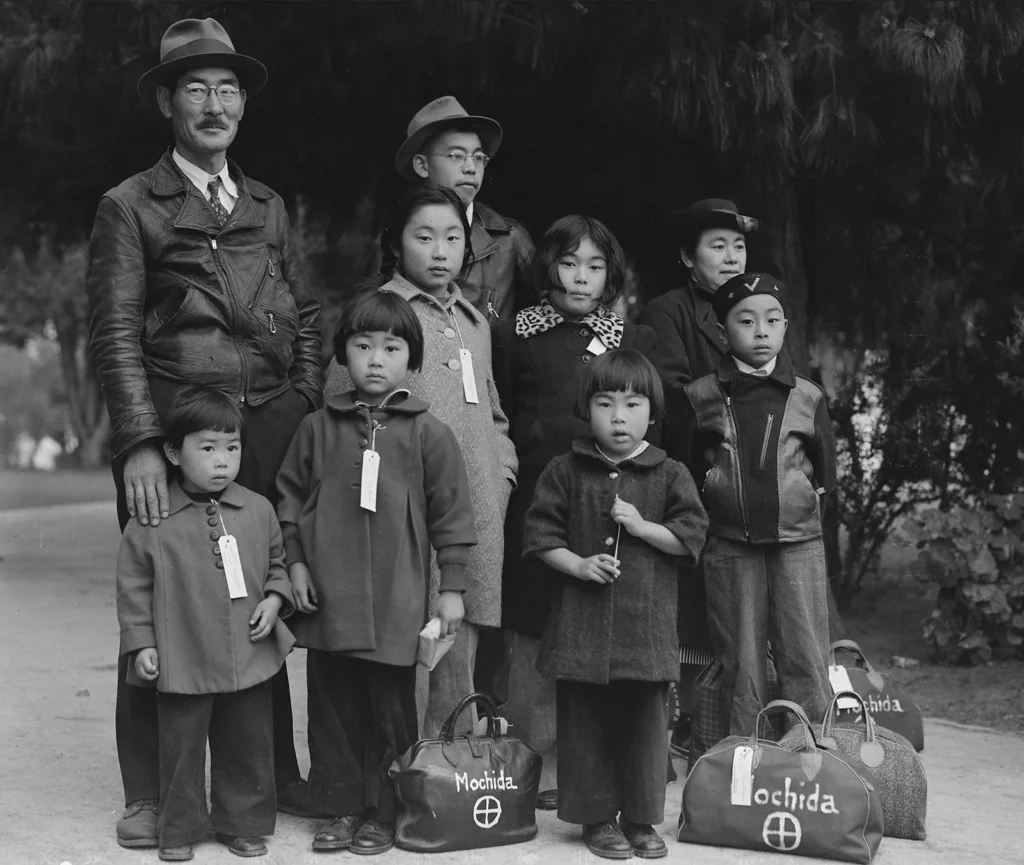
(Pictured in header: Dorothea Lange’s Mochida family photograph representing Toshio Mori’s community in San Leandro).