Scammer Claus Returns—New and Improved with AI and Deepfakes Beware of Cyber Santa 2.0!
November 25, 2025
December is here again, and while we’re busy with holiday cheer, finals, and festivities, cybercriminals are busy upgrading their toolkits. As the Chief Information Security Officer (CISO) at Chapman, my goal is to keep our community safe online throughout the season.
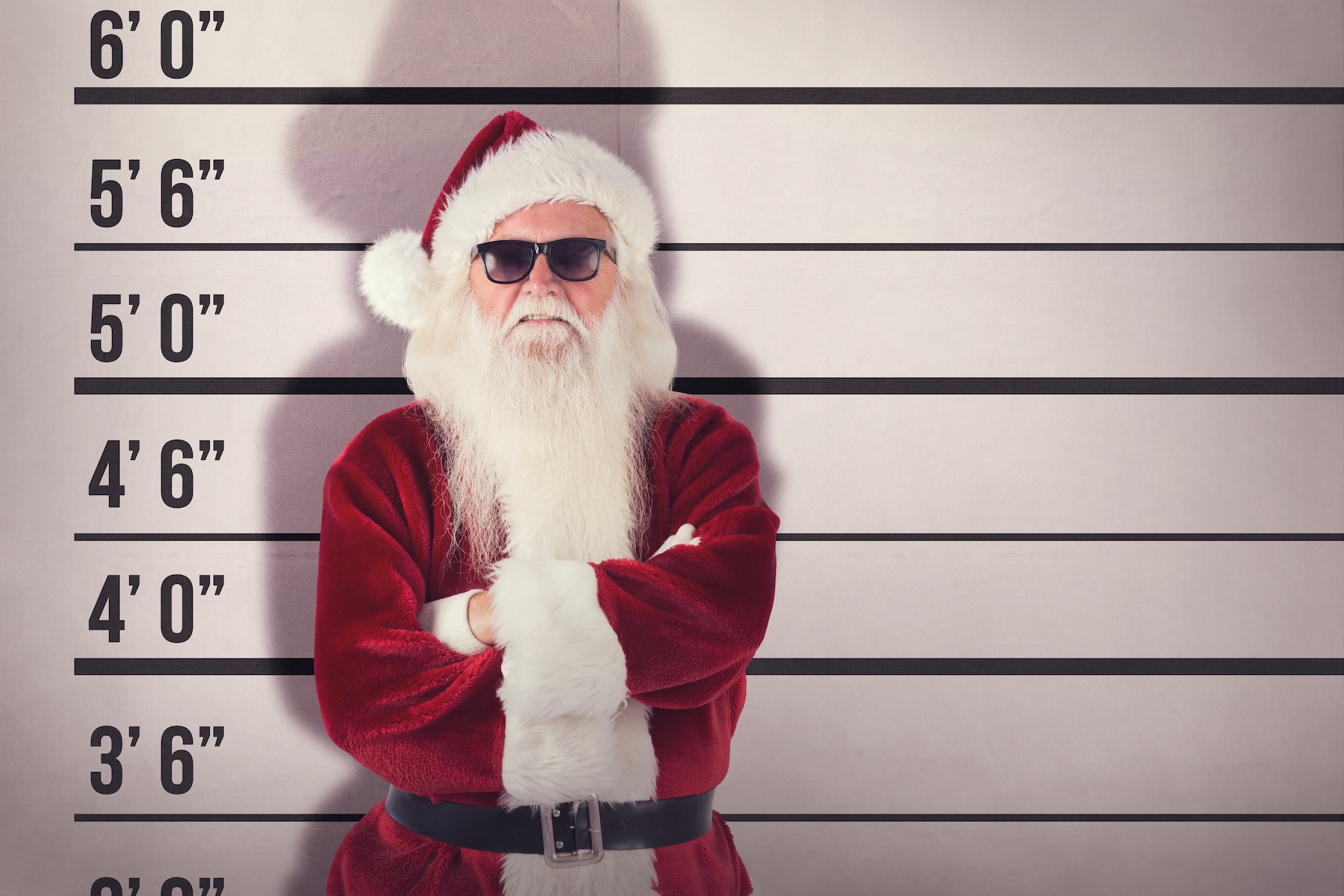
Last year, we met Scammer Claus—the holiday trickster who lured victims with fake emails and festive scams. This year, Scammer Claus has gone high-tech, wielding artificial intelligence and deepfake technology to make scams nearly impossible to spot.
The AI-Powered Ho-Ho-Hoax
It started innocently enough: a video message from Santa, wishing you happy holidays and offering exclusive gifts. The voice was warm, the face familiar, and the message seemed genuine. But this wasn’t the real Santa—it was Scammer Claus, now armed with AI tools that can clone voices, faces, and even mannerisms. With just a few seconds of audio or video scraped from social media, scammers can create deepfake messages that sound and look exactly like someone you trust—be it Santa, a loved one, or even your boss.
This year’s scams go beyond emails. We’re seeing:
- Deepfake Videos: AI-generated clips of public figures (or Santa himself) promoting fake deals, charity drives, or urgent requests for help.
- Voice Cloning: Scammer Claus can now call you, sounding just like a friend or family member, asking for money or sensitive information.
- AI-Powered Phishing Sites: Fake holiday stores and charity pages, built in minutes by AI, look indistinguishable from the real thing.
- Social Media Deception: Deepfake endorsements and fake giveaways flood Instagram, TikTok, and Facebook, targeting deal-hungry shoppers.
Why Are These Scams So Effective?
AI enables scammers to personalize attacks, analyze your online behavior, and craft messages that appear urgent and authentic. Old red flags, such as bad grammar and generic greetings, are gone. Today’s scams are polished, timely, and emotionally manipulative.
The Fallout
Victims of these new scams have lost money, had their identities stolen, and even been tricked into installing malware. The FBI and cybersecurity experts report that billions have been lost to AI-powered scams this year alone, with deepfakes, making it more challenging than ever to distinguish between real and fake.
How to Outsmart Scammer Claus 2.0
You CAN stay safe—even as the tricks get smarter. Here’s how:
- Verify, Don’t Just Trust: If you get a message, call, or video that feels urgent or emotional, pause and check through another source. Don’t click on links or share info until you’re sure!
- Double-Check URLs: Fake sites look perfect. Always check for small spelling changes or odd domain names.
- Use Security Tools: Leverage AI-powered scam detection tools, browser protections, and multi-factor authentication.
- Educate Yourself and Others: Share tips with friends and family. The more we know, the harder it is for Scammer Claus to succeed.
- Trust Your Gut: If it sounds too good to be true, it probably is. Santa doesn’t need your bank info, and Chapman IS&T will never ask for your password.
The Moral of the Story
Scammer Claus may have upgraded to AI and deepfakes, but vigilance, education, and smart security habits are still your best defense. Stay safe, stay skeptical, and let’s keep the Chapman community merry—and scam-free—this holiday season!
Please continue to report any suspicious or malicious messages by forwarding them to abuse@chapman.edu.
Happy holidays,
Stay safe, stay vigilant!
Keith Barros
Chief Information Security Officer (CISO)