Campus May Slow Down in Summer. Cybercriminals Don’t
As Chapman’s Chief Information Security Officer, I know summer on campus has its own rhythm: a little more breathing room, a chance to catch up, and maybe even a slightly less crowded calendar. At Chapman University, that seasonal slowdown is real. Unfortunately, it’s also something cybercriminals know how to use to their advantage. When campus activity eases up, attackers often look
Why “It Wasn’t a Chapman Breach” Can Still Put Your Account at Risk
As the CISO at Chapman, I often hear this understandable response when we notify someone that their credentials appeared in an external data breach: “But Chapman wasn’t breached.” That’s usually correct, and it can still present a real risk. When breaches occur elsewhere on the internet, email addresses and passwords are frequently exposed. If a password used on another site

A Message From the CIO
It’s a pleasure to have the opportunity to write my first note as Interim Vice President and CIO for IS&T as part of this year’s newsletter. Leadership transitions are never simple, and I’m incredibly grateful for the support, partnership, and steady commitment I’ve seen from both the IS&T team and colleagues across campus as we
Turning AI Into Action at Chapman University IS&T
Artificial intelligence is rapidly reshaping how we work, learn, and collaborate. From drafting content and summarizing information to streamlining workflows and supporting decision-making, AI is no longer a future concept; it’s a present-day tool. Recognizing this shift, Chapman University Information Systems & Technology (IS&T) launched the AI Ambassadors Program, a pilot initiative designed to help our campus prepare
Announcing IS&T's Summer 2026 Technology Workshops
Chapman University’s Information Systems and Technology (IS&T) team is thrilled to present the Summer 2026 Technology Workshops. These sessions are designed to provide dynamic, enriching learning opportunities for our faculty and staff. Why Attend? Expert Guidance: Our experienced IS&T training team will guide you through the latest technologies. Interactive Learning: Participate in live sessions, engage in discussions,
STOP: Protect Your Accounts from Phishing Attempts
Hello Chapman community, this is your CISO with a brief reminder on how to identify and prevent phishing and scams. Phishing tactics appear in both Chapman and personal accounts, including email, banking, and shopping. The following habits will help protect your work and personal information. Apply the STOP Method: A Quick Guide for the Chapman Community It’s 8:12 a.m.,
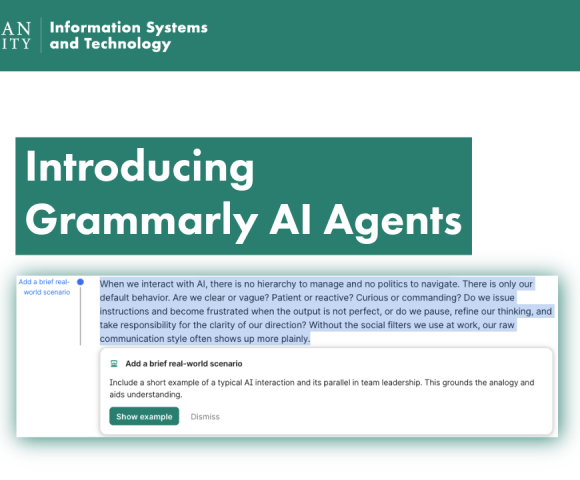
Grammarly AI Agents Now Available to the Chapman Community
Chapman University Information Systems and Technology (IS&T) is pleased to announce that Grammarly AI Agents are now available to all students, faculty, and staff. This expanded access provides powerful, context-aware writing support to help members of the Chapman community communicate more clearly, confidently, and effectively across academic, professional, and creative work. Grammarly AI Agents work
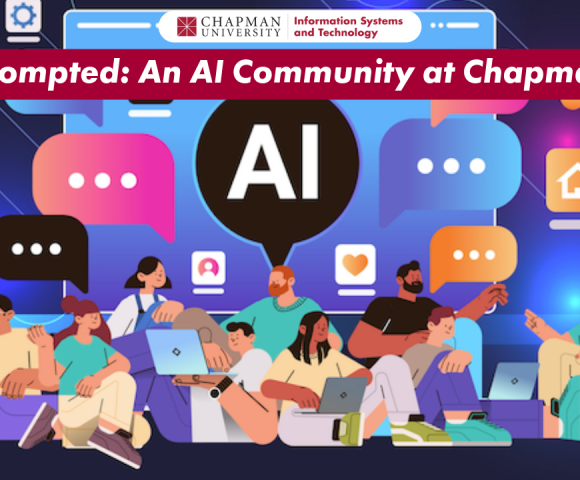
Introducing Prompted: An AI Community at Chapman
The Information Systems & Technology (IS&T) department is excited to introduce Prompted: An AI Community at Chapman, a new virtual space designed to help our campus community explore and engage with AI in a thoughtful and approachable way. Prompted is a Viva Engage community created for faculty, staff, and students who are curious about AI. Whether you’re just getting started
March Madness: Don’t Let Cyber Scams Win the Championship
March Madness has arrived. Brackets will be tested, underdogs will advance, and dramatic finishes will dominate the highlights. But while the excitement unfolds on the court, cybercriminals are also stepping up their game, launching a full-court press on inboxes across higher education, including ours. Periods of heightened attention and activity are prime opportunities for scams
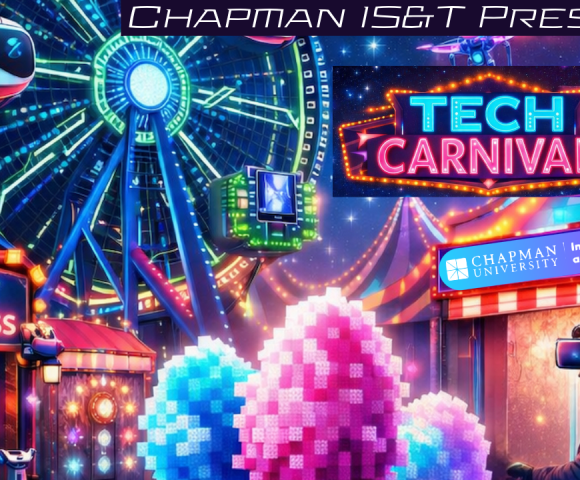
Join Us at the 2026 IS&T Tech Carnival Open House
Information Systems & Technology (IS&T) is excited to invite the campus community to our Annual IS&T Open House, returning this spring with another fun, interactive twist: Tech Carnival. Thursday, April 23 2:30 – 4:00 p.m. IS&T Main Office, 635 W. Palm Ave. Last year’s IS&T Open House brought faculty and staff together for an afternoon of discovery, conversation,