This spring, faculty in the Schmid College of Science and Technology continued to push the boundaries of discovery across disciplines, from research on sustainable chemistry and wildfire resilience to genome editing and the origins of interstellar dust.
Recent externally funded awards highlight not only the breadth of research underway at Schmid but also its impact: advancing public safety, strengthening STEM pathways, developing life-saving technologies, and expanding our understanding of the universe itself.
Confronting Climate and Environmental Risk
Several Schmid faculty are tackling urgent environmental challenges with both local and global impact.
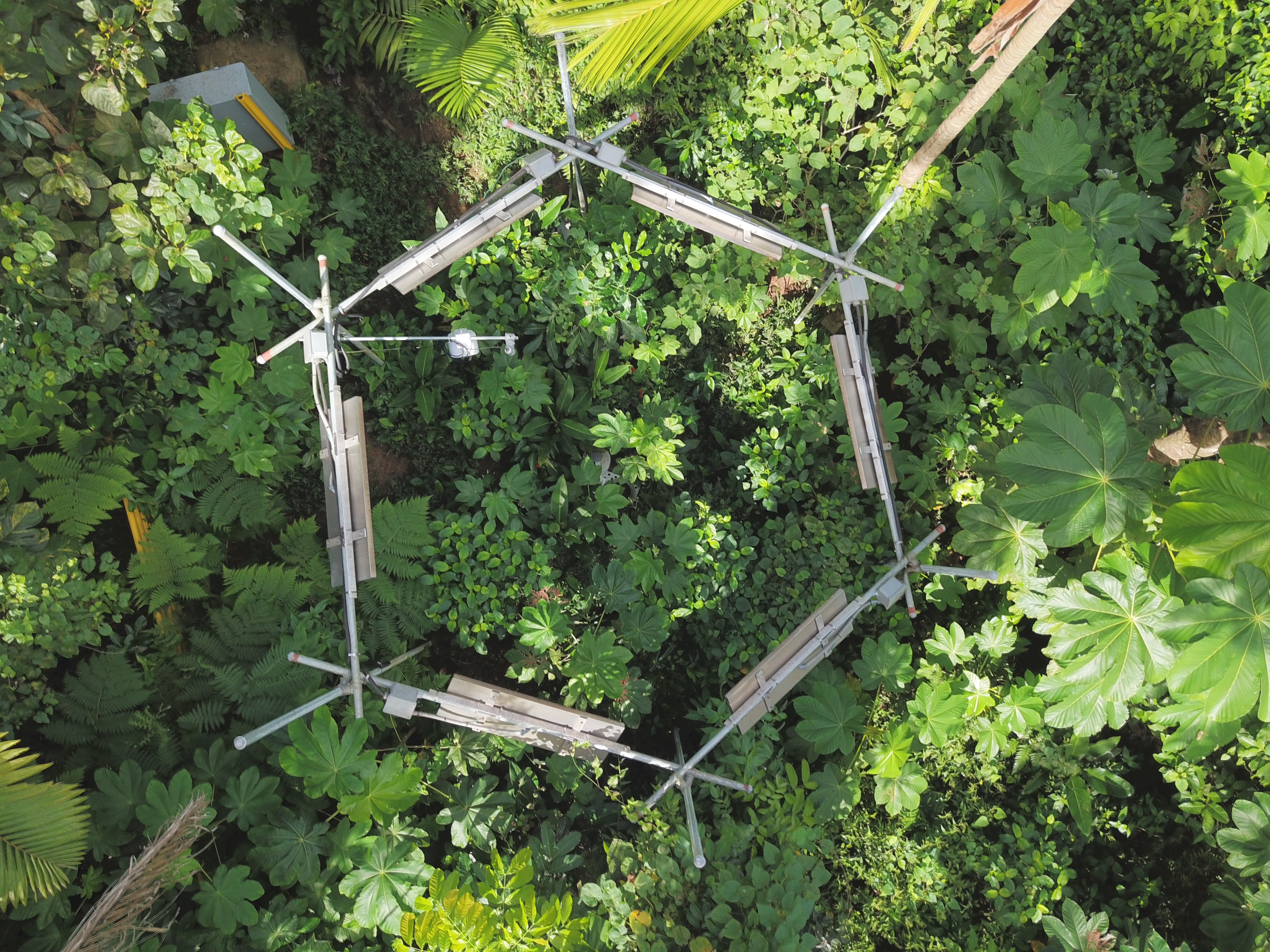
Dr. Christine O’Connell is investigating how ecosystem warming and shifting precipitation patterns influence tropical soil greenhouse gas emissions, to deepen our understanding of climate feedback loops.
Dr. Rosalee Hellberg is developing improved detection methods for Salmonella enterica in meat analog products, strengthening food safety in a rapidly expanding sector of the food industry.
Dr. Joshua Fisher is leading an NSF FIRE-NET project in collaboration with the Orange County Fire Authority. The project focuses on building an integrated data and decision-support system to improve wildfire response. By advancing information architecture and user-centered system design, the initiative aims to reduce response times and enhance safety for more than two million residents.
Reimagining Catalysis for a Sustainable Future
In chemistry, Dr. Jerry LaRue is leading research on ultrafast dynamics in core-shell nanoparticle photocatalysts, an ambitious project aimed at designing next-generation catalytic materials.
Catalysts are essential to modern life, enabling the production of fuels, the synthesis of fertilizers, the manufacture of plastics, and the control of pollution. Yet many remain inefficient or costly. By engineering plasmonic nanoparticles with carefully designed transition-metal shells and probing their bond-breaking and bond-forming dynamics with advanced spectroscopic tools, Dr. LaRue’s work aims to understand and improve catalytic performance. The implications span clean energy production, green chemistry, and environmental protection.
Expanding Access to Research in STEM
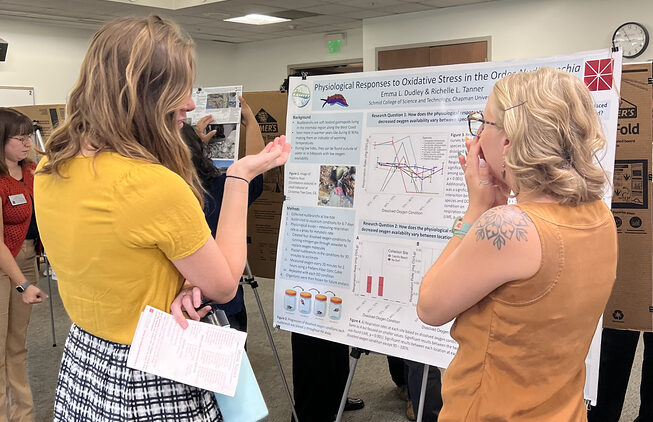
Creating opportunities is as important as discovery itself. Dr. Chris Kim has secured continued support for the Summer Undergraduate Research Fellowship in Earth and Environmental Sciences (SURFEES), an REU Site program that has served more than 100 students since 2014.
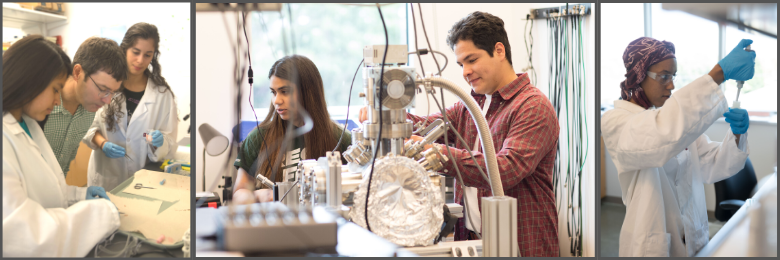
SURFEES provides hands-on, faculty-mentored research experiences for community college students, particularly those from historically underrepresented and low-income backgrounds. Through laboratory research, fieldwork, professional development workshops, and cohort programming, the program strengthens pathways into STEM degrees and careers, expanding the range of students who participate in scientific discovery.
Advancing Biomedical Innovation
Schmid’s research is also driving innovation in human health.
Dr. John Miklavcic is examining how extracellular vesicles mediate inflammation in intestinal cells, offering insight into the etiology of inflammatory bowel disease and novel therapeutics.
Dr. Allisandra Rha is advancing genome-editing approaches for GM1 gangliosidosis, a rare and fatal neurodegenerative disorder. Her work builds on CRISPR-based base editing strategies designed to restore enzyme function in patient-derived neural models, which is a step toward more precise, potentially transformative therapeutics.
Dr. Jeremy Hsu is contributing to STEM education reform by studying the impact of single-session, research-focused courses in introductory biology and developing evidence-based strategies to improve student confidence and persistence.
Learning from Nature’s Most Remarkable Materials
Dr. Douglas Fudge’s research on the integrative biology of fiber-reinforced slime in hagfish explores one of nature’s most extraordinary biological materials. By studying the structure and mechanics of this unique slime, his work offers insights that could inspire new biomimetic materials and engineering solutions.
Exploring the Origins of the Cosmos
Looking outward, Dr. Vincent Esposito has received two NASA grant awards supporting computational and theoretical astrochemistry.
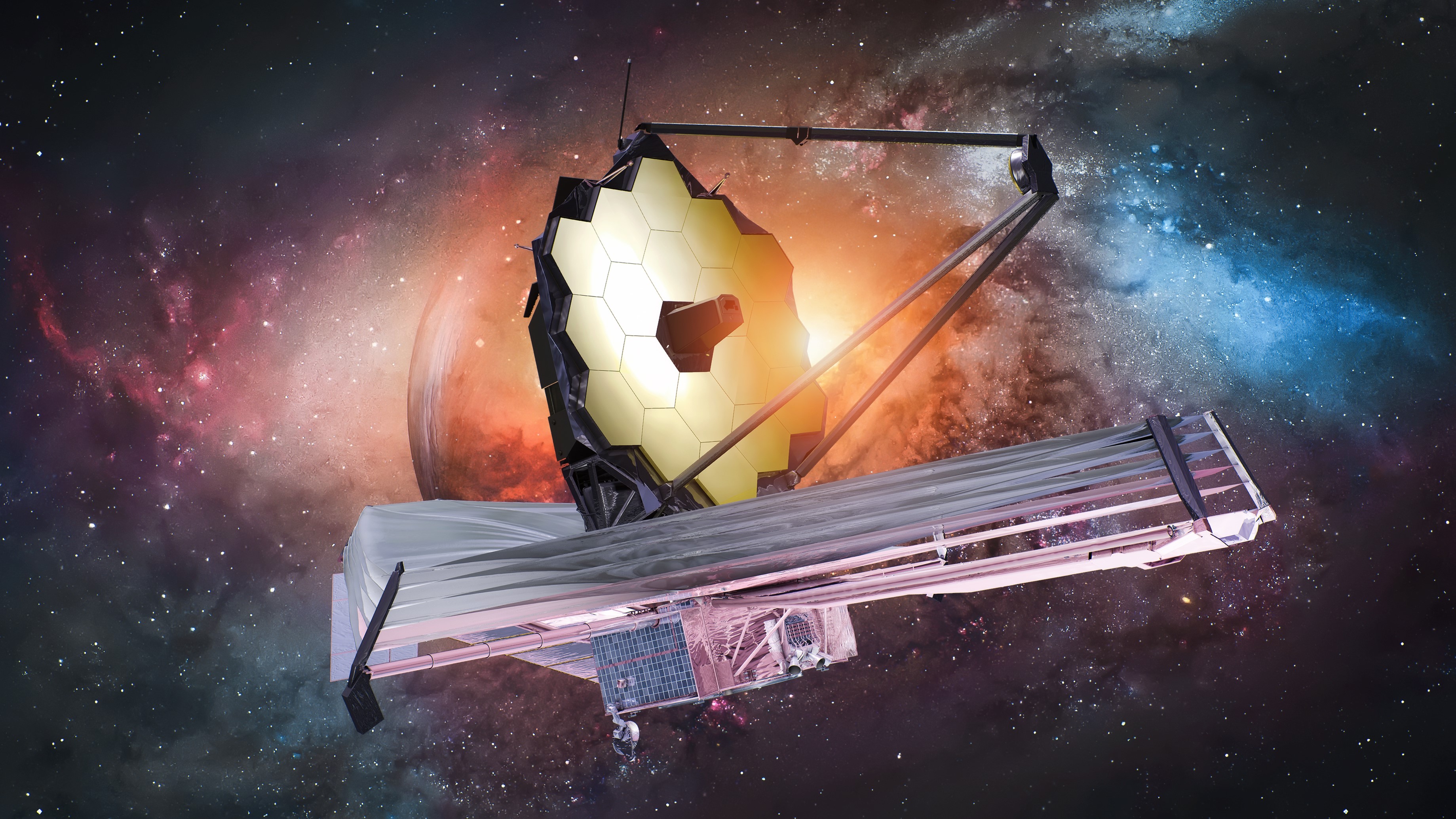
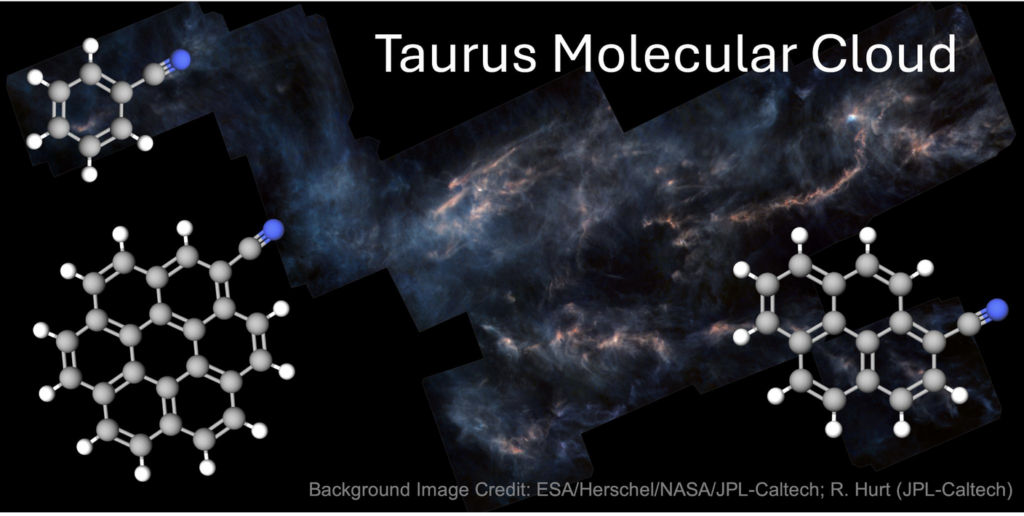
One project will generate high-accuracy infrared absorption and emission spectra for hundreds of polycyclic aromatic hydrocarbons (PAHs), helping scientists interpret data from the James Webb Space Telescope. Another investigates the formation pathways and spectral signatures of interstellar dust grains, fundamental building blocks in the formation of planets and rocky bodies throughout the universe.
From molecules to ecosystems to galaxies, Schmid College faculty continue to demonstrate the power of interdisciplinary research grounded in rigor, creativity, and real-world impact. As these projects move forward, they reinforce a defining strength of Schmid College: discovery that advances knowledge while serving society on a local, national, and global level.