Chapman University has joined SEISMIC, a national consortium of higher education institutions that evaluates how foundational STEM courses are taught and assessed to improve student learning experiences.
What is SEISMIC?
SEISMIC is a multi-institutional STEM education research and development collaboration that is sponsored by the Sloan Foundation and Google.org. Universities within the consortium focus on improving foundational STEM courses because of the substantial impact they have in introducing the discipline, which can shape students’ academic confidence and influence whether students continue into STEM fields.
“Introductory STEM courses are often where students decide whether they belong in science,” says Dr. Jean-Louis Bru, an instructional assistant professor who teaches introductory biology courses at Chapman. He notes, “If we keep teaching these courses the same way decade after decade, we risk losing students not because they couldn’t do the work, but because the course never gave them a real chance to see themselves in it. Evolving our introductory courses is about making sure we keep our students engaged and our teaching relevant to today’s challenges.”
SEISMIC began in 2019 with 10 large public research universities and has expanded through sustained cross-campus collaboration, shared data analysis, coordinated classroom experiments, and an ongoing exchange of ideas and evidence-based practices.
By joining SEISMIC, Chapman becomes part of a strong network of leading universities, including UC Davis, the University of Michigan, Rutgers University, UC Irvine, and others. Through SEISMIC, Chapman will be able to work at a larger scale to strengthen STEM learning, improve student outcomes, and advance effective teaching and assessment practices in introductory courses.
Research Informed Practices
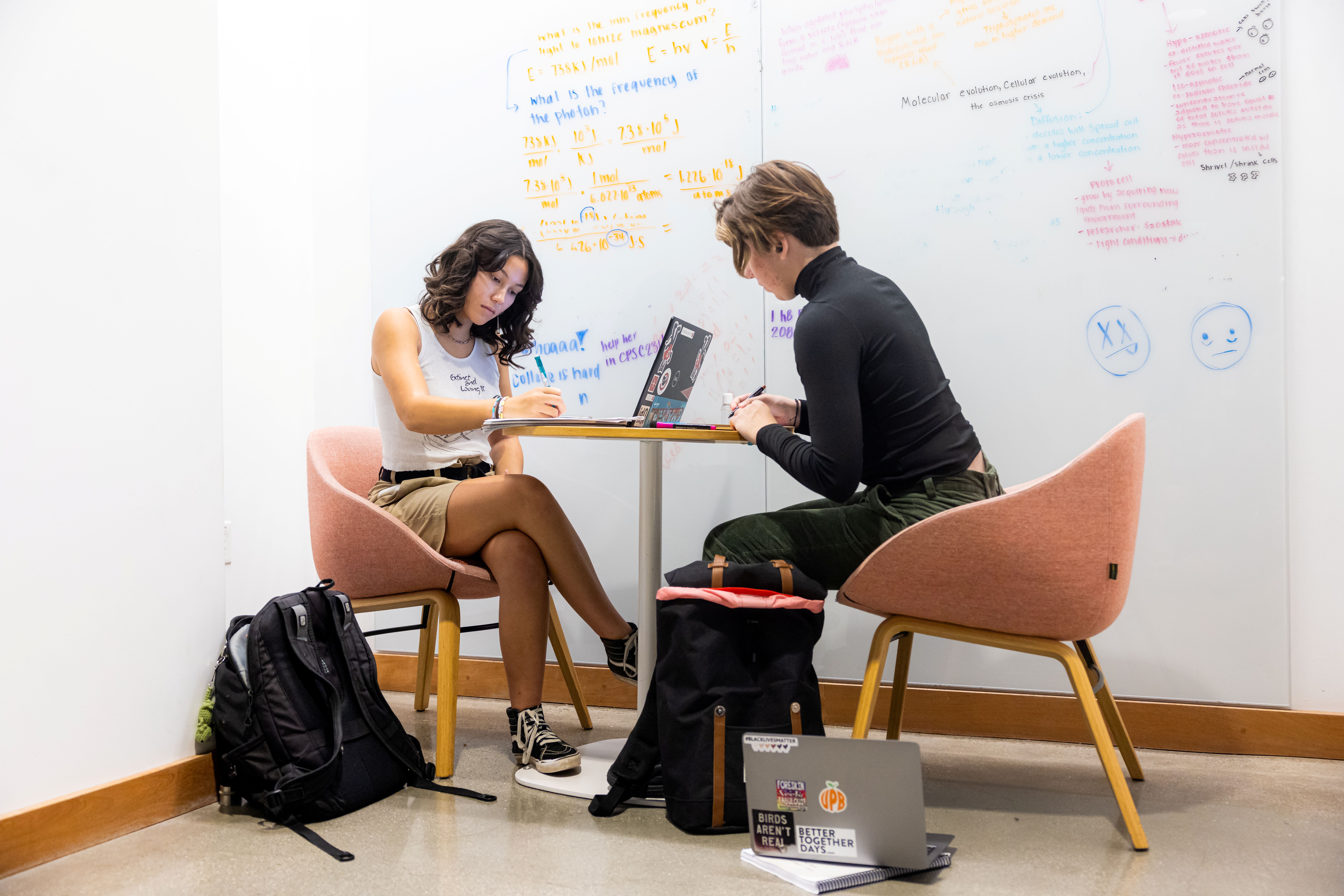
A major focus of SEISMIC is promoting broader adoption of research-informed assessment practices in large introductory STEM courses.
“What excites me most about SEISMIC is the combination of research and real classroom change,” says Jeremy Hsu, associate professor of biology and assistant director of Undergraduate Research and Creative Activities will be serving as one of the two liaisons to SEISMIC, “We can pilot improvements in introductory STEM courses, evaluate what works, and share what we learn across programs and institutions. Joining SEISMIC allows us to catalyze our efforts to strengthen introductory STEM courses across campus.”
Chapman’s emphasis on student-centered learning and continuous improvement in teaching and curriculum design aligns with SEISMIC’s goals of examining how assessment in introductory STEM courses can better measure student learning, support improvement over time, and more accurately reflect what students know and can do.
What’s Next
Throughout SEISMIC Phase Two, Chapman faculty and staff will join their colleagues in participating institutions in disciplinary teams as they pilot revised assessments in introductory STEM courses and evaluate their effectiveness. SEISMIC will also continue building shared momentum through programming such as a speaker series, regular seminars for active participants, and consortium-wide convenings.
Chapman’s involvement will help ensure that improvements in foundational STEM courses are guided by evidence and remain consistent with the university’s mission to provide a rigorous, personalized educational experience, starting from students’ first STEM course.