Nicolas Shake
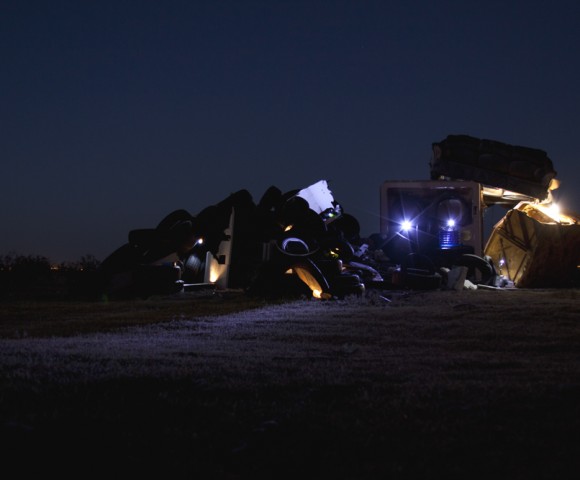
Nicolas Shake is no stranger to Chapman University. In fact, he was an assistant professor at Chapman University from 2011-2013. Shake is primarily an artist, whose work encompasses a wide array of mediums, including paintings, collage, photography, installation art, site specific art, and sculpture. Shake was raised in Palmdale, California and lives and works in Los
The Escalette-mas Song
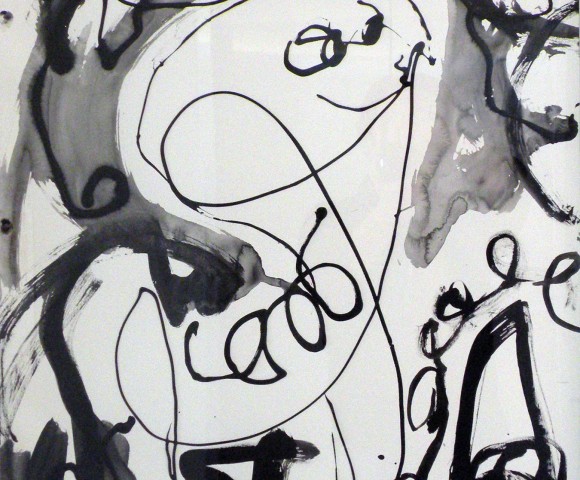
Coffee roasting inside Beckman Hall, The Piazza’s quiet, calm, serene, While all inside, the artwork comes alive, Forming a very festive team! Everybody knows Wayne White will “freak” and have some fun, Even John Paul Jones is looking bright. Tiny horses by Schulnik will all run, And beads will shimmer in White on White!
The Art of Veneration
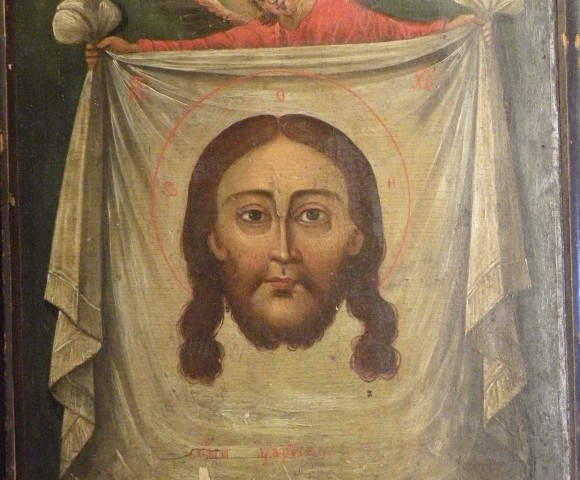
Function In recognition of Christmas, we’re posting a selection of Russian icons from our collection. Icons play an important role in the Orthodox Christian faith, serving as manifestation of the divine world in our human one. Icons are displayed in both churches and private homes, and are even made in miniature forms for travel. While
Minimalism
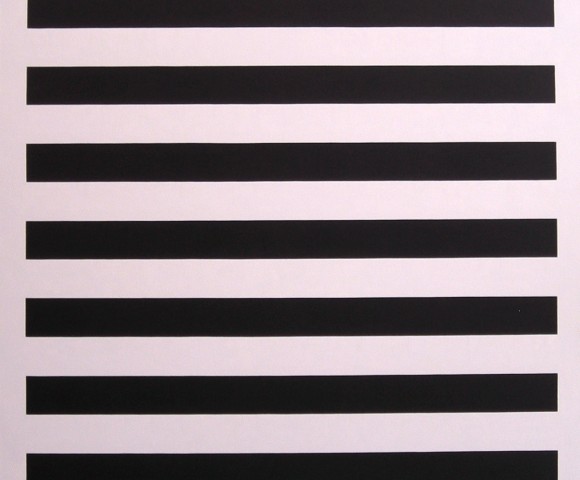
Minimalist art was developed in the early 1960’s as a direct descendant of the Abstract Expressionist movement. Just a decade earlier the abstract expressionists took hold of the art world, further progressing the way that artwork was conceptualized. The goal of abstract expressionism is simply to let the artist express their emotions through their artwork.
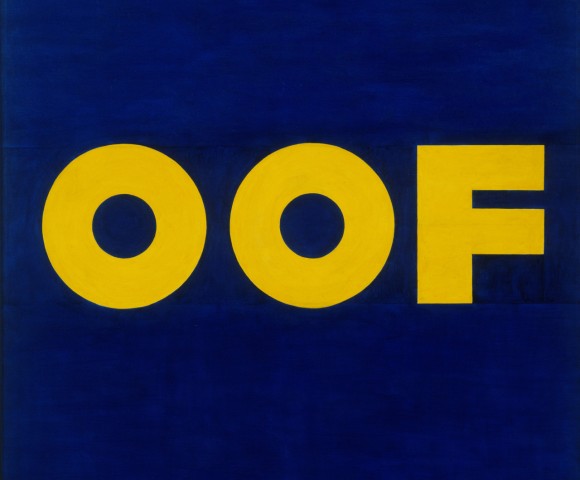
The Quintessential Los Angeles Artist
Raised in Oklahoma City, American artist Ed Ruscha (b. 1937) was first introduced to art through popular culture, looking at comic books, cartoons, and Disney films as inspiration. Attracted to the energy of Los Angeles, Ruscha moved there in 1956 at the age of eighteen and attended the Chouinard Art Institute, now the California Institute
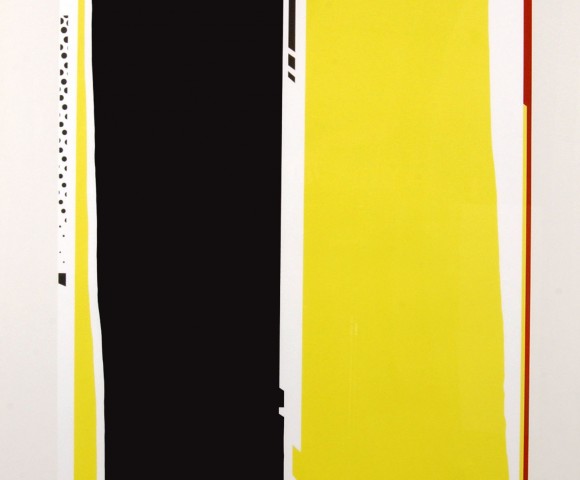
Things You Might Want to See...
Like every month, the Escalette Permanent Collection of Art prides itself in presenting news about our artists that are being featured in exhibitions, shows, fairs and all things alike. This month, there are three exhibits that showcase our artists locally, nationally, and internationally : Ed Ruscha in Beverly Hills 20-Year Anniversary Invitational Exhibition, 1995–2015 at the
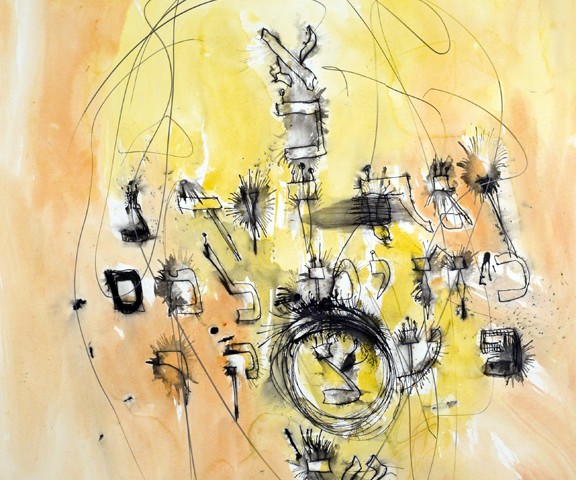
Hafftka for Hanukkah
Hanukkah begins tonight, and we are recognizing these next eight days and nights with works from a series by Michael Hafftka. As the son of two Jewish Holocaust survivors, Hafftka’s art reflects his resulting experiences and feelings. His work is centered on explorations of his faith and relationship with God, while also dealing with human
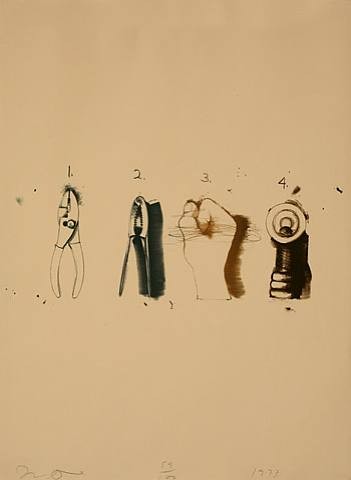
Student curatorial opportunity!
Have you walked by the current exhibition on the second floor of Argyros Forum and wondered who comes up with these things? Who writes those exhibit labels? What does a curator really do? If so, this is for you! The Escalette Collection of Art and Chapman’s Curatorial Department are offering an opportunity for Chapman students to curate
Contemporary Art vs. Modern Art
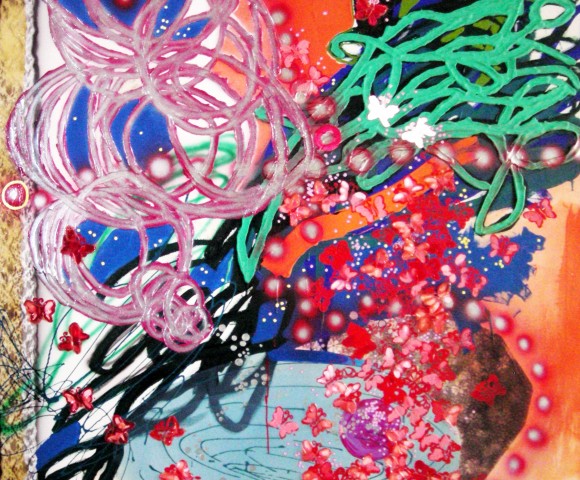
According to the Merriam-Webster Dictionary, the word “modern” is defined as, “of or relating to the present time.” The word “contemporary” is defined as “happening or beginning now or in recent times.” While these definitions may appear to be similar or even nearly identical, in terms of art genres, they are very incongruent. The modern art movement began in the 1860’s
Happy Thanksgiving!
Packin’ Heat (an original poem by Chandana Srinivas, student art collections assistant) With summer gone, a fall season comes anew, this frost brings about morning dew. From carved pumpkins, to wreaths made of pine, open your arms to all kin alike. Let the gravy simmer, the turkey broil, let your sauce fizz, and fill your