

A Boy’s Unanswered Question: Father Patrick Desbois’ Journey into History and Memory
If you are reading this blog, then you undoubtedly already have an interest in the history of the Holocaust. How […]

If you are reading this blog, then you undoubtedly already have an interest in the history of the Holocaust. How […]

Photo: Burning of the synagogue in Hanover, Germany, night of 9 November 1938 As historians Debórah Dwork and Robert Jan

The first scenes of Steven Spielberg’s Schindler’s List (1993) show a man lay out his fine clothing, carefully select a
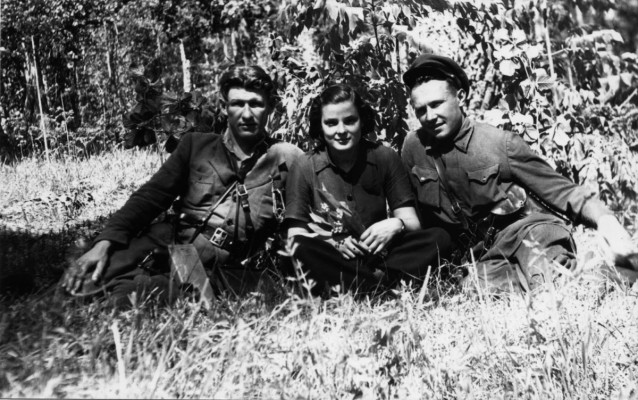
During the Holocaust, non-Jews faced a choice: to collaborate with or to resist Nazi rule. Many European gentiles living under German occupation adopted an indirect but still morally compromising course, choosing partial accommodation to Nazi policies rather than total collaboration. Others joined resistance movements only after it was clear that the Allies were winning the war. Jews encountered a far narrower set of options, but some took the difficult path to confront Nazi oppression with armed opposition. Two recently-published books reexamine aspects of resistance and collaboration in light of new research.