Inside My Fiserv Internship: What I Learned at the Fortune 500 Company Powering Your Bank

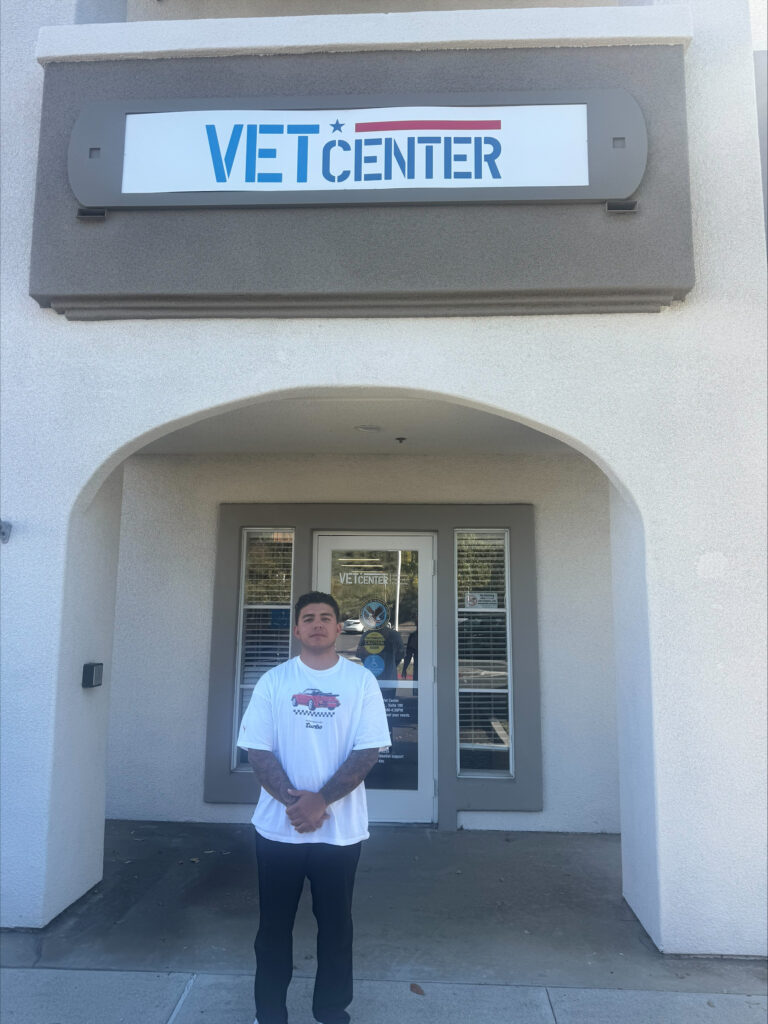
My name is Greg Powell. I’m a junior at Chapman University studying Strategic and Corporate Communication with a Themed Inquiry in Design and Fabrication, and I expect to graduate in Fall 2027. This past summer, I completed a Product Management internship on the XD (Experience Digital) team at Fiserv in Berkeley Heights, New Jersey — and it changed how I think about corporate communication, problem-solving, and my own career path
What Is Fiserv? Meet the Fortune 500 Company You’ve Never Heard Of
Fiserv is one of the largest companies you have never heard of. It’s a Fortune 500 company that operates as the core banking infrastructure behind thousands of banks and credit unions — powering your checking account, processing your debit and credit card transactions, enabling Zelle transfers, and running the mobile banking app your bank calls its own. When money moves, Fiserv is usually the reason it got there.
How I Landed a Fiserv Internship Through the Warrior Scholar Project

I found the internship through the Warrior Scholar Project, a nonprofit that runs academic boot camps at universities including Columbia, Harvard, and Yale, helping veterans transition from military service back into higher education. I went through their program, stayed connected through their alumni network, and that is where the Fiserv opportunity surfaced.
I came into this internship with a different kind of experience than most. Years of adapting skills from completely different environments had taught me that the ability to learn and apply is more transferable than the skill itself.
My Product Management Project: Fixing a Broken Request Pipeline
My assignment was to investigate how requests of all kinds — questions, bugs, and enhancements — were reaching the product management team, map where the process was breaking down, and propose a solution. I ended up implementing one and then building beyond it.
I also wanted to approach this from an external perspective and avoid introducing bias into my findings. My manager put it well: “it is hard to find problems when something has worked for so long, and you do it every day.” Coming in with fresh eyes was part of what made this project possible.
Why Talking to the People Doing the Work Mattered Most
The first thing I did was go talk to the people doing the work. I have learned, in the military and in previous experience, that the real information rarely lives where leadership thinks it does. It lives with the people closest to the problem and doing the work.
So, I spent the first several weeks conducting interviews across eight cross-functional teams and just listened. Every conversation gave me a new piece of the picture. By the end, I had a clear map of where things were breaking down and what needed to change.
Building the Solution: Process, Ownership, and an AI Triage Tool
I built the framework to fix it: process documentation, an ownership structure, a new intake channel, and an AI triage tool on Fiserv’s internal platform. The AI piece was outside my original scope. It happened because I stayed curious and kept pushing past the initial ask.
How Chapman’s Communication Coursework Shaped My Approach
My Group Communication coursework at Chapman with Dr. Bejerano shaped how I approached every one of those interviews. Knowing how to ask an open question, listen, and avoid steering someone toward an answer you already have is a communication skill before anything else. The technical deliverables came after.
The interviews and listening are what made it all possible, and honestly, it might have been the easiest part — because people do not need much encouragement to tell you what is not working.
What I Learned About Corporate Communication, AI, and Getting a Return Offer
Regardless of your major, if it requires an internship, it is absolutely worth pursuing. What I learned this summer goes beyond the project.
I learned how to navigate corporate communication and realized that phrases such as “found opportunities for improvement” carry a lot more weight than pointing out what is broken, even when it’s clear what is broken and who owns it. This was a real adjustment coming from the military.
Being comfortable using AI as part of your daily workflow is a real advantage, whether drafting emails, building slide decks, or prototyping tools. The students who can figure that out early and leverage those skills will be ahead.
My advice for students pursuing an internship:
Go in eager and ask questions. When you do not know something, AI can help you get up to speed quickly — use it to your advantage. And do not just propose a solution if you can execute one. It is far easier to write a process document than to actually run a pilot and test it with a real team, with the possibility of having it implemented at scale. That is what will set you apart, and what leads to a return offer.