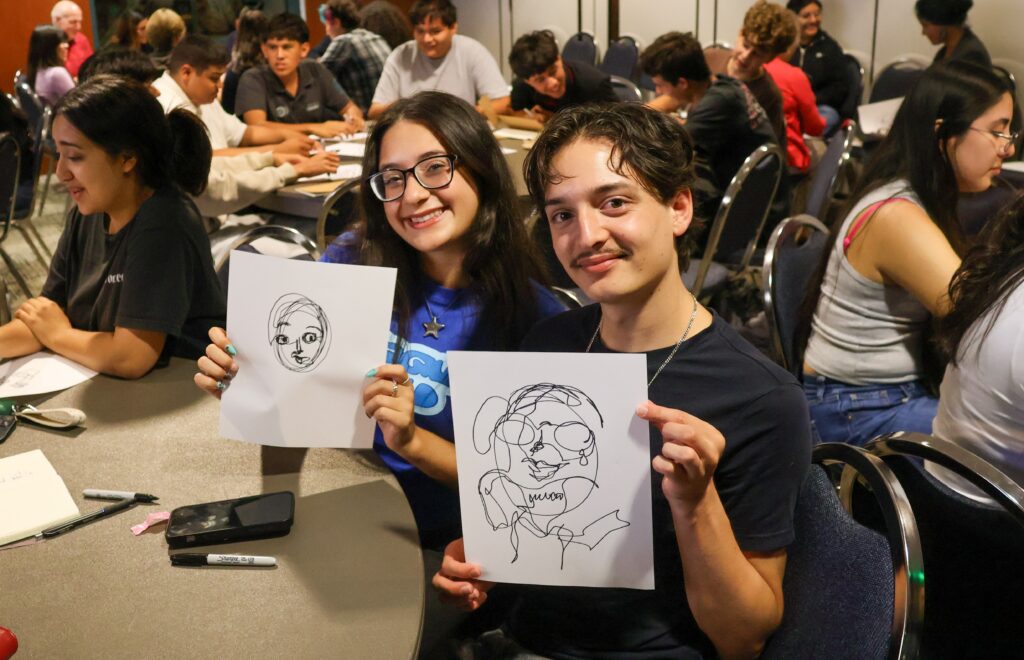
What do tip jars and data systems have in common? You may think not that much, right? Well, think again. Over Interterm, Professor LL Hodg es (History) taught a History and Film class, with a specific focus on technology, and how it is woven into everyday life. To showcase different aspects of the prevalence of technology, Dr. Hodges hosted two guest speakers who shared their research on the nuanced aspects of technology in modern-day life. According to Dr. Hodges, “there’s a lot of hype around new technology, but these scholars help us move past the hype to see how technology is rarely an innocent player in the way we work, understand ourselves, or interact with each other.”
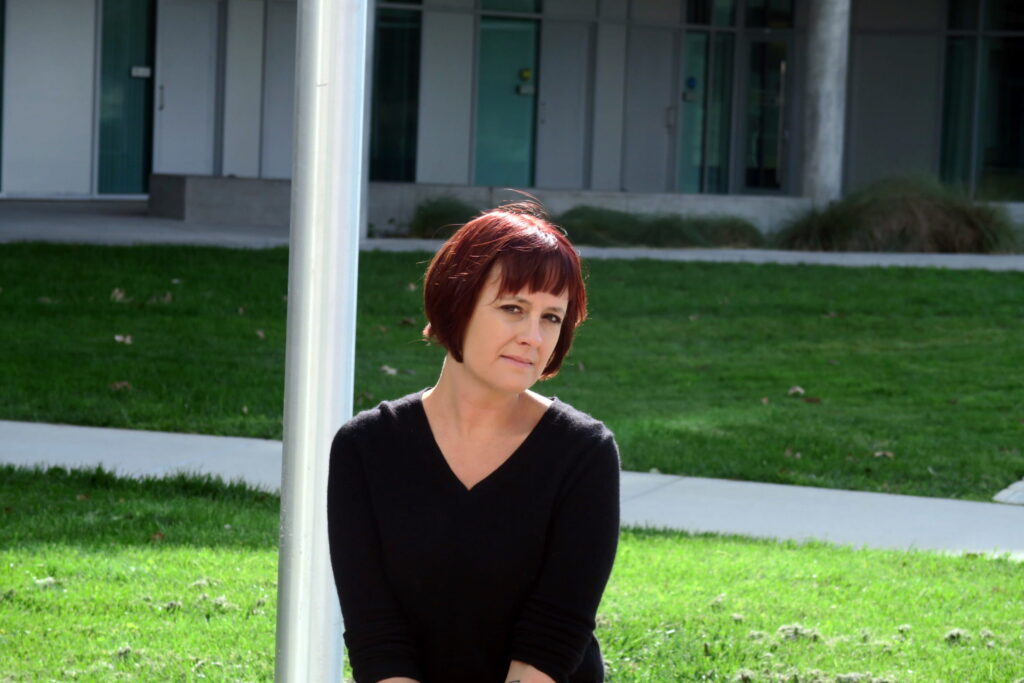
From rideshare and delivery apps to the tip jars at our favorite coffee shops, television has long showcased the reliance on tips in many professions.As service labor has entered a new era of “gig work”, Dr. Annie McClanhan, a professor of English at the University of California, Irvine, reveals how TV showcases tip-based work, and how that reveals a certain level of power, perilous, and concealed aspects of human nature in today’s structure of the service economy. McClanhan’s latest book, Beneath the Wage: Tips, Tasks, and Gigs in the Age of Service Work (Zone Books, 2026), retheorizes capitalism from the perspective of the workers in the service economy and challenges conventional assumptions about how work is truly waged and regulated.

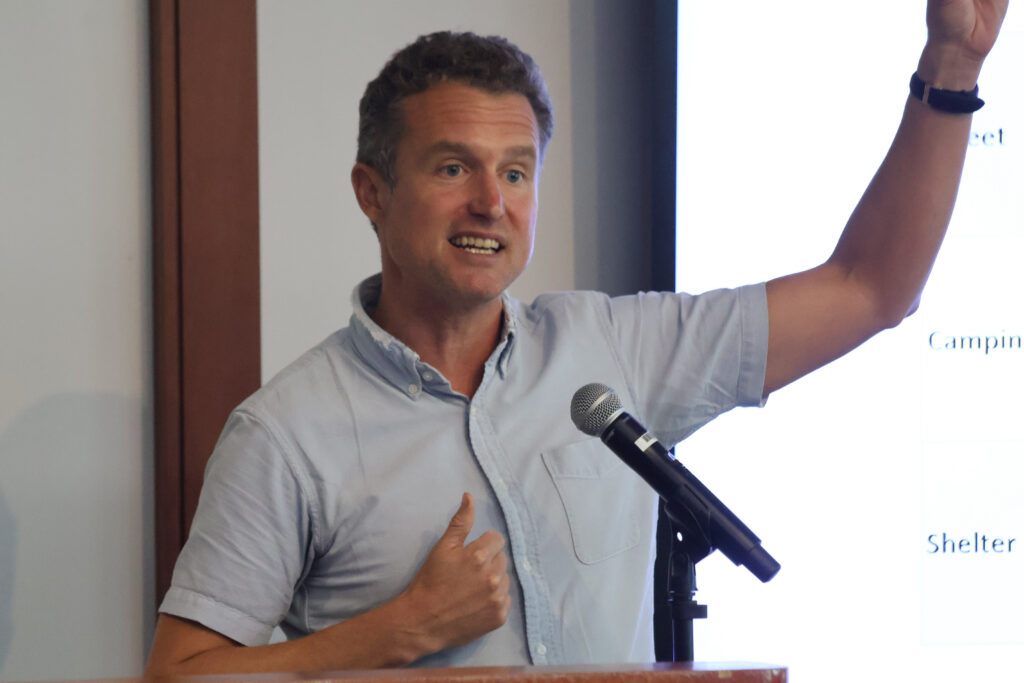
Following this idea of how technology is interwoven into most aspects of everyday life, Professor Colin Koopman from the University of Oregon spoke about data systems and how we are all counted, sorted, and stored in them. In his books, How We Become Our Data and Data Equals, he shines light on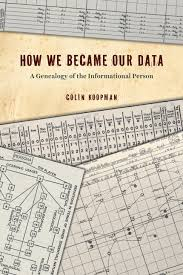 how data systems, such as credit scores and music playlists, quietly shape many facets of our lives. Dr. Koopman posed the idea of what it means to truly become our data by tracing the history of data systems and how the formats that organize information also organize who we can be.
Dr. Hodges hosted these speakers to argue that technology should not be seen just as a set of tools we use, but rather as entwined with how we are known, valued, and managed. Whether this is by tracing tip-based work or looking at data structures that are prevalent in everyday life that often go unnoticed, both speakers invite us to look more closely at the technological frameworks that shape society in our current age.
(Pictured in header: Dr. Annie McClanhan, a professor of English at the University of California, Irvine)